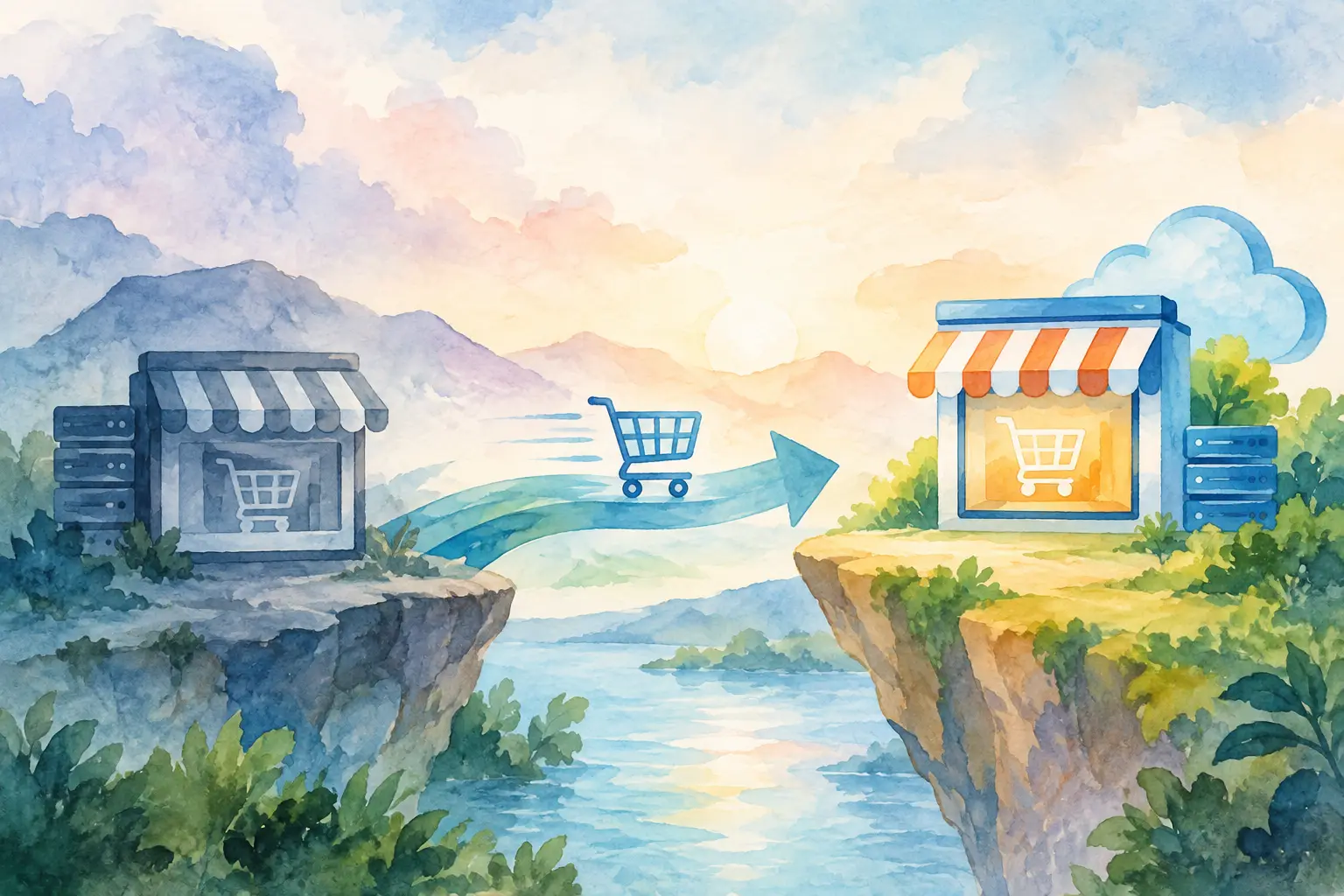
A practical ecommerce platform migration guide for brands moving stores without losing data, rankings, or operational stability during growth.
What is headless commerce? Learn how it works, when it makes sense, and the trade-offs brands should weigh before changing ecommerce architecture.
Learn how to choose ecommerce architecture based on scale, integrations, speed, and business complexity - not hype or platform bias.
How much does ERP integration cost? Learn what drives pricing, realistic ranges, hidden costs, and how to budget for ecommerce ERP projects.
API integration for online stores connects systems, reduces manual work, and improves scale, speed, and accuracy across ecommerce operations.
Multi warehouse inventory management reduces overselling, shipping delays, and stock errors when systems, rules, and fulfillment logic align.
Learn when to migrate ecommerce platform based on performance, scalability, integrations, and operational limits before growth starts to stall.
Custom app vs plugin ecommerce comes down to scale, complexity, and control. Learn when each option makes sense for growth-focused brands.
Learn how to reduce cart abandonment with smarter checkout UX, payment options, speed fixes, and backend improvements that lift conversion.
Learn when should brands replatform ecommerce, the warning signs to watch, and how to decide if migration will improve growth and operations.
An ecommerce replatforming case study showing how smart architecture, clean data, and phased delivery improve scale, speed, and operations.
Headless commerce vs traditional affects speed, flexibility, cost, and scale. Learn which model fits your growth, systems, and team best.
Learn when custom ecommerce development services make sense, what they solve, and how they improve speed, scale, operations, and conversion.
Checkout optimization for ecommerce reduces friction, lifts conversion, and improves revenue with smarter UX, payments, speed, and systems.
Magento vs Shopify scalability comes down to control, cost, and complexity. See which platform fits high-growth brands and large catalogs.
Learn how to connect POS and ecommerce systems the right way to sync inventory, orders, and customer data without creating new operational risks.
React ecommerce frontend development gives brands speed, flexibility, and control - if the architecture, data flow, and performance strategy are right.
Learn how to improve checkout conversion with practical fixes across UX, payments, speed, trust, and backend systems that reduce drop-off.
Shopify vs BigCommerce Enterprise: compare scalability, integrations, B2B, customization, and cost to choose the right platform for growth.
Learn how to replatform ecommerce store systems without losing revenue, data, or rankings. A practical roadmap for complex migrations.
Compare the best platforms for complex catalogs based on scale, flexibility, integrations, and performance for growth-focused commerce teams.
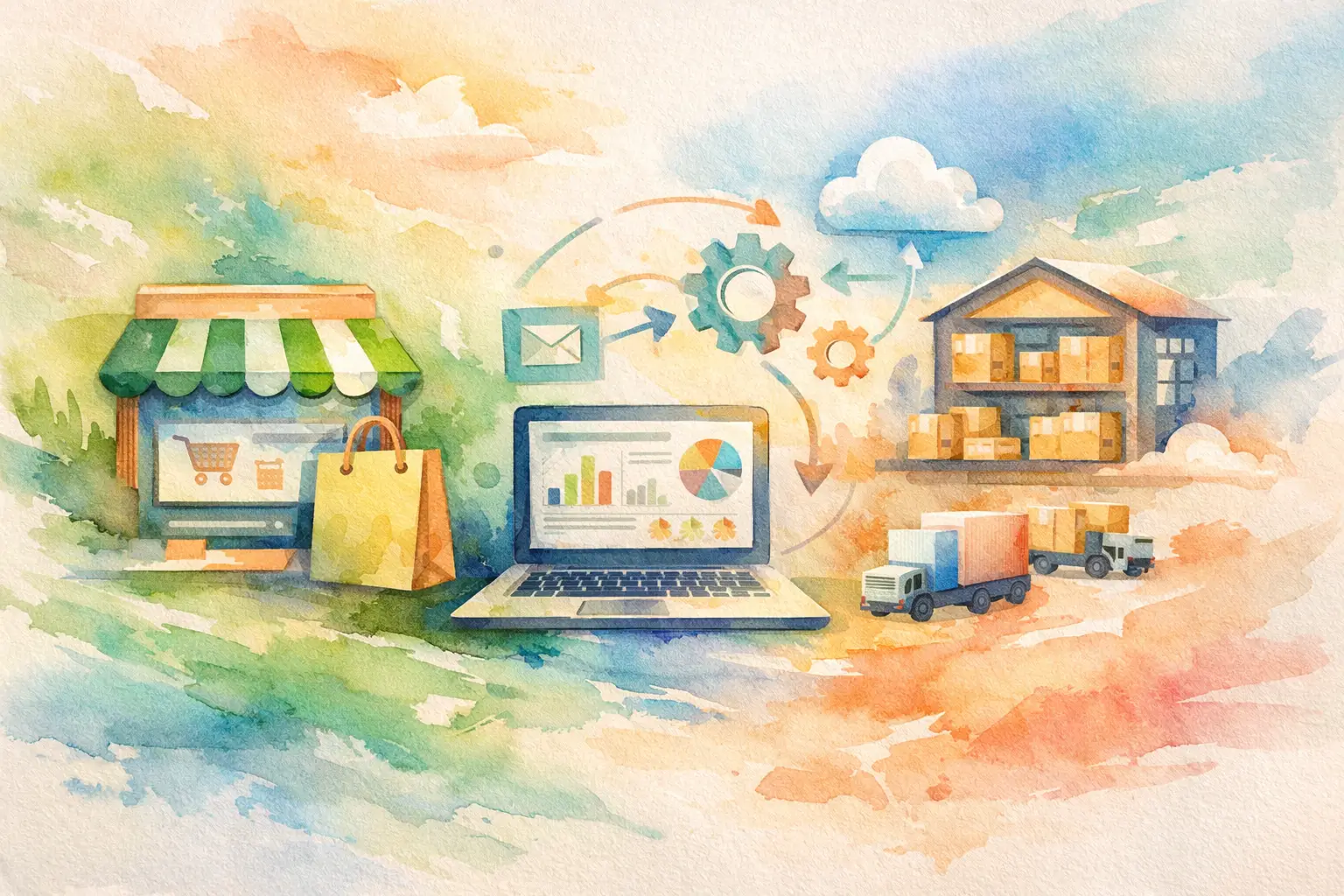
Learn how to integrate ERP ecommerce systems the right way to improve inventory, orders, customer data, and operational accuracy at scale.
A headless commerce implementation guide for brands planning architecture, integrations, rollout, and performance without creating new complexity.
Ecommerce API integration services connect platforms, ERPs, POS, and apps to reduce errors, speed operations, and support scalable growth.
Why is ecommerce site slow? Learn the real frontend, backend, and integration causes that hurt speed, conversion, and scale.
Learn how to automate inventory sync across ecommerce, ERP, POS, and warehouses without overselling, bad data, or costly operational delays.
A mobile first ecommerce UX guide for brands that need faster storefronts, better conversion paths, and scalable design choices that hold up.
The future of composable commerce is about selective flexibility, tighter integrations, and architectures built for scale, speed, and control.
Learn how to scale Shopify Plus with the right architecture, integrations, and operations to support growth without costly bottlenecks.
BigCommerce custom development helps brands solve complex commerce needs, improve performance, and connect systems without outgrowing the platform.
What makes a good SaaS product? It solves a real problem, scales cleanly, fits workflows, and delivers measurable value without adding complexity.
What is saas product? Learn how SaaS products work, where they fit, and why they matter for ecommerce brands building scalable systems.
What is consumer SaaS product design? Learn how UX, retention, pricing, and product systems shape scalable software people keep using.
What is SaaS product management? Learn how it aligns product, engineering, growth, and retention to build scalable software that performs.
What is SaaS development? Learn how SaaS products are built, hosted, scaled, and integrated, and why architecture choices shape growth.
Learn how to build a SaaS product with the right validation, architecture, pricing, and delivery approach to support scale, reliability, and growth.
Best SaaS product design balances speed, clarity, and scale. Learn what high-performing SaaS products get right and where teams go wrong.
SaaS product development services help brands build scalable software faster, with the right architecture, integrations, and long-term product strategy.
What is ecommerce development? Learn what it includes, how it works, and why architecture, integrations, and UX shape growth and scale.
Custom ecommerce website cost depends on scope, systems, and scale. Learn what drives pricing and where serious brands should invest first.
BigCommerce Custom Checkout Options can improve conversion, support complex logic, and fit your operations without breaking speed or stability.
Learn how BigCommerce fraud payment detection works, where native tools fall short, and how to reduce chargebacks without hurting conversion.
Custom ecommerce website development services help brands scale faster with better UX, integrations, automation, and conversion-focused architecture.
If you’ve been building software long enough, you know this phrase never really gets old. For us, “Hello World” first happened back in September 2010. A small team. Big curiosity. A lot of late nights. Two people, working from a kitchen table — figuring things out as we went. Fast-forward to January 2026, and here we are again — launching a completely new Lantera website and opening a brand-new blog. So yes… Hello World. Again.